
Building Bridges: Establishing Trust Through Play Therapy
How Rapport-Building Creates the Foundation for Effective Child Counseling
Your child sits in a therapist’s office. They’re quiet, guarded, maybe scared. They don’t know this adult. They don’t understand why they’re here. You’re hoping therapy will help, but you’re wondering: How will anything change if they won’t even talk? At Family Restoration Counseling Services, we understand this concern. The answer lies not in forcing conversations, but in something far more powerful: play. For over 30 years, our experienced family therapists have helped children open up, process difficult emotions, and begin healing—not by sitting across from them with notepads, but by meeting them where they naturally communicate: through play. Play therapy isn’t just entertainment or passing time; it’s a scientifically-supported therapeutic approach where rapport-building through play creates the essential foundation that allows meaningful counseling to happen. Research from Harvard University’s Center on the Developing Child shows that children who have a stable, committed relationship with a caring adult demonstrate greater resilience and healing capacity. This relationship—built through play, patience, and genuine connection—is often the most transformative part of the therapeutic journey. In this guide, we’ll explore how play therapy establishes trust, why rapport matters more than you might realize, and how Family Restoration Counseling uses this powerful approach to help children in the Forney area and beyond.
1. Why Rapport-Building Is the Foundation of Effective Counseling
Understanding the Power of Connection Rapport is more than just “getting along” with a therapist—it’s the therapeutic relationship itself. It represents trust, respect, mutual understanding, and safety. When a child establishes genuine rapport with their therapist, something shifts. They become willing to share. They begin to engage. They open the door to healing.
Without rapport, even the most skilled therapeutic techniques fall flat. Children may resist therapy, feel anxious about sessions, or close themselves off emotionally. With strong rapport, children feel seen, understood, and safe—conditions essential for meaningful progress.
Why Children Need a Different Approach Adults can sit across from a therapist and talk about their feelings. Children cannot. Their language skills are still developing. More importantly, children express themselves naturally through play, art, and movement—not through conversation. A child who won’t speak to a therapist directly may reveal their entire emotional world through the toys they choose, the games they play, and the stories they create. Play is the child’s natural language.
2. How Play Therapy Builds Rapport and Trust
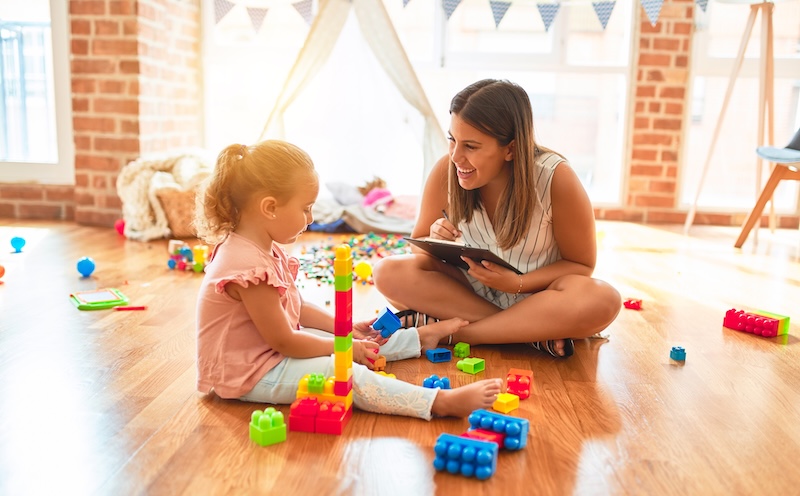
Meeting Children Where They Are Play therapy works because it honors how children naturally communicate. Rather than asking “How does that make you feel?” a play therapist sits on the floor alongside the child, observes which toys attract them, and participates in their chosen play. This simple act—playing alongside a child—sends a profound message: “I see you. I’m interested in you. I want to understand your world.”
A child who chooses to build a block tower, arrange action figures in a particular way, or draw a specific picture is telling their story. The skilled play therapist listens carefully, validates what they observe, and creates space for the child to lead. This child-centered approach respects the child’s pace and builds trust naturally.
Specific Rapport-Building Techniques in Play Therapy Effective play therapists use several evidence-based strategies to deepen rapport:
- Warmth and Authenticity: A therapist’s genuine warmth, humor at appropriate moments, and authentic interest in the child creates connection. When children feel genuinely cared for—not just professionally obligated—trust deepens.
- Active Listening and Validation: Truly hearing what a child says or communicates through play, then reflecting it back (“I see you built a very tall tower. It looks strong”) makes children feel understood. This simple validation is powerful.
- Games and Playful Activities: Board games, card games, drawing activities, and role-playing games create a shared experience. The lightness and fun of games reduces anxiety and builds natural rapport. Research shows that 77% of individuals who participate in art and play activities report improved emotional communication skills.
- Respect for Pace and Preferences: Allowing children to choose what to play, how long to play, and when to talk honors their autonomy. This control is deeply therapeutic for children who may feel powerless in other areas of their lives.
3. The Progression: From Stranger to Safe Adult
Early Sessions: Building the Foundation When a child first arrives at Family Restoration Counseling in Forney, rapport-building is the primary goal—not solving problems or diagnosing issues. Early sessions might look simple: the child plays while the therapist observes, participates minimally, and creates a calm, accepting space. This isn’t wasted time. This is the essential work of building safety.
Research shows that establishing rapport typically takes two to four sessions, though every child is different. Some warm up quickly; others need more time and patience. The therapist respects each child’s unique timeline.
Progressive Deepening of Connection As sessions continue, rapport deepens. The child begins to choose the same toys, initiate play with the therapist, ask questions, and gradually share more about their life. By the time deeper therapeutic work begins—processing trauma, learning coping skills, or exploring difficult emotions—a foundation of trust exists. The child isn’t working with a stranger. They’re working with an adult they’ve come to trust.
4. The Ripple Effect: How Rapport Improves Outcomes
Children Open Up and Progress Faster When children feel safe, they participate more fully. They bring their real selves to sessions. They’re willing to try new coping strategies, explore difficult feelings, and take emotional risks necessary for healing. Research consistently shows that strong therapeutic relationships predict better treatment outcomes across all types of counseling.
Building Resilience and Security The consistent, caring presence of a trained therapist becomes an anchor for the child. For children from chaotic or traumatic backgrounds, this relationship may be the first stable, affirming connection they’ve experienced. This secure relationship builds resilience—the research-backed ability to face challenges, adapt, and thrive.
Your Child Deserves a Safe Space to Heal
Play therapy with skilled rapport-building isn’t just about making therapy “fun”—though it is enjoyable. It’s about honoring how children communicate, creating genuine safety, and establishing the trusting relationship that transforms therapy from a scary obligation into a powerful healing experience.
Family Restoration Counseling Services understands children. Our experienced play therapists specialize in building rapport through play, creating the safe, supportive environment where children feel genuinely understood. Whether your child has experienced trauma, struggles with behavioral challenges, or needs support navigating family changes, we meet them with patience, expertise, and authentic care.
If you’re considering therapy for your child, reach out to Family Restoration Counseling Services today. We serve families throughout Forney and the greater Dallas area. Schedule an initial consultation to learn how play therapy can help your child begin their healing journey. Your child deserves the bridge to healing—and we’re here to help build it.