
How Can I Manage Anxiety Every Day Without Feeling Overwhelmed?
The most effective way to manage anxiety daily is to build small, consistent habits that calm your nervous system before anxiety becomes overwhelming. Simple practices like deep breathing, regular movement, healthy sleep, limiting stimulants, and talking with a therapist can significantly reduce anxiety over time. Daily consistency is more effective than waiting until anxiety feels out of control.
Living with anxiety can make even ordinary tasks feel exhausting. At Family Restoration Counseling Services, we understand that anxiety affects every person differently, and there is no one-size-fits-all solution. Our compassionate counselors help individuals identify the root causes of their anxiety while developing practical, personalized strategies that fit into everyday life. Whether you’re experiencing occasional worry, chronic anxiety, or stress related to work, relationships, or life changes, our goal is to help you build lasting emotional resilience. We believe meaningful progress comes through small, sustainable changes supported by professional guidance, empowering you to experience greater peace and confidence each day.
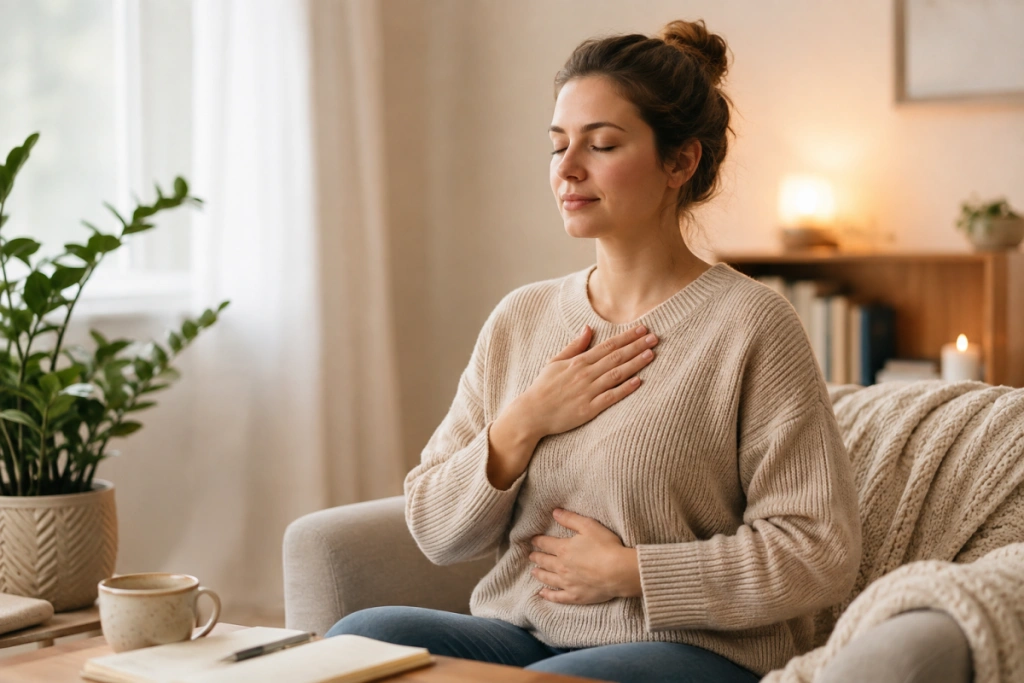
Daily Anxiety Management Strategies That Actually Work
Managing anxiety isn’t about eliminating every anxious thought. It’s about teaching your mind and body how to respond differently. Research consistently shows that daily routines strengthen emotional regulation and reduce overall anxiety symptoms.
According to the National Institute of Mental Health (NIMH), anxiety disorders are among the most common mental health conditions, affecting millions of adults each year. The Anxiety & Depression Association of America (ADAA) also notes that anxiety disorders are highly treatable, yet many people delay seeking professional support.
What Are the Best Daily Habits for Reducing Anxiety?
The best daily habits focus on calming both your mind and your body’s stress response.
Consider incorporating these habits:
- Practice slow, deep breathing for 3 to 5 minutes each morning.
- Get at least 20 to 30 minutes of physical activity most days.
- Maintain a consistent sleep schedule.
- Eat balanced meals throughout the day.
- Limit excessive caffeine and alcohol.
- Spend a few minutes journaling or practicing gratitude.
- Schedule regular moments away from screens and social media.
None of these habits need to be perfect. Small improvements practiced consistently often create lasting changes over time.
Why Does Anxiety Feel Worse Some Days?
Anxiety often increases when multiple stressors build up at once.
Several factors can contribute to heightened anxiety, including:
- Poor sleep
- High work or family stress
- Major life transitions
- Financial concerns
- Physical illness
- Hormonal changes
- Excessive news or social media consumption
Recognizing your personal triggers helps you respond earlier rather than waiting until anxiety becomes overwhelming. Many people find it helpful to track their anxiety patterns in a journal or app to identify recurring situations that increase stress.
Can Breathing Exercises Really Calm Anxiety?
Yes. Controlled breathing activates your body’s parasympathetic nervous system, which helps slow your heart rate and reduce the physical symptoms of anxiety.
One simple technique is box breathing:
- Inhale through your nose for four seconds.
- Hold your breath for four seconds.
- Exhale slowly for four seconds.
- Hold again for four seconds.
- Repeat for several minutes.
This technique can be used before meetings, during stressful moments, or anytime you notice anxiety beginning to rise.
Other mindfulness practices, including progressive muscle relaxation and guided meditation, may also help regulate your nervous system over time.
When Should Anxiety Be Treated by a Counselor?
If anxiety regularly interferes with your work, relationships, sleep, or ability to enjoy life, professional counseling can be extremely beneficial.
Signs it may be time to seek therapy include:
- Constant worrying that feels difficult to control
- Frequent panic attacks
- Avoiding situations because of fear
- Trouble concentrating
- Persistent muscle tension
- Difficulty sleeping
- Feeling emotionally exhausted most days
Therapy provides more than emotional support. It helps identify unhealthy thought patterns, teaches practical coping skills, and builds confidence in managing future challenges.
Evidence-based approaches such as Cognitive Behavioral Therapy (CBT), mindfulness-based interventions, and solution-focused counseling have helped many individuals successfully reduce anxiety symptoms and improve overall quality of life.
How Can I Build an Anxiety Management Routine That Lasts?
Successful routines are simple enough to maintain even on difficult days.
Try building your routine around these daily anchors:
Morning
- Practice five minutes of deep breathing.
- Set one realistic goal for the day.
- Avoid checking stressful news immediately after waking.
Afternoon
- Take a short walk or stretch break.
- Eat a balanced lunch.
- Check in with your emotions without judging yourself.
Evening
- Reduce screen time before bed.
- Write down tomorrow’s priorities.
- Practice gratitude or relaxation before sleeping.
Remember that consistency matters more than perfection. Missing one day does not erase your progress.
Frequently Asked Questions
Can anxiety go away without treatment?
Some mild anxiety improves as stressful situations pass, but persistent anxiety often benefits from professional support. Therapy can provide long-term tools that reduce symptoms and improve daily functioning.
What foods may help reduce anxiety?
Foods rich in whole grains, lean proteins, fruits, vegetables, omega-3 fatty acids, and magnesium may support overall brain health. A balanced diet complements, but does not replace, mental health treatment.
Is exercise really effective for anxiety?
Yes. According to the Anxiety & Depression Association of America, regular physical activity can help lower stress hormones, improve mood, and reduce symptoms of anxiety over time.
How long does it take to see improvement?
Many people notice gradual improvement within several weeks of consistently practicing healthy coping strategies. Progress often comes faster when daily habits are combined with counseling tailored to individual needs.
Take the First Step Toward Greater Peace
You do not have to manage anxiety alone. At Family Restoration Counseling Services, we help individuals develop practical coping strategies, strengthen emotional resilience, and regain confidence through compassionate, evidence-based counseling.
Ready to take control of your anxiety and build healthier daily habits? Contact us today to schedule an appointment and begin your journey toward lasting emotional wellness.